Key Takeaways
Dtf transfers (direct to consumer) by size reveal a growing trend in direct-to-consumer distribution, with a 25% increase in volume from 2021 to 2022, according to industry reports.
Smaller packages, under 100ml, saw a 30% market share increase, appealing to consumers’ preference for travel-sized, convenient, and sample products.
The most popular product categories for dtf transfers include beauty and personal care, with skincare and makeup brands leading the way in innovation and adoption.
E-commerce platforms and specialized dtf transfer manufacturers are key enablers, providing scalable, cost-effective solutions for brands looking to enter this distribution channel.
Direct-to-consumer transfers offer an unique advantage of bypassing wholesalers and retailers, allowing brands to build stronger, more direct relationships with their customers.
A successful dtf transfer strategy involves meticulous product formulation to ensure stability and efficacy in smaller formats, as well as effective packaging design for user convenience and brand identity.
The future of dtf transfers looks bright, with predictions suggesting a compound annual growth rate (CAGR) of 18% from 2023 to 2028, driven by increasing consumer demand for personalized, on-the-go products.
At a glanceFor DTf transfers, size matters. Smaller, local transfers often involve quicker response times from specialized services, with 90% of these jobs completed within 24 hours. For larger, out-of-town moves, expect a longer lead time, typically 48 to 72 hours, as national providers coordinate resources. Plumbers, electricians, and contractors all rely on efficient DTf processes to minimize disruptions and maintain client satisfaction.
In the dynamic world of print and apparel, understanding the nuances of Dtf transfers by size is paramount for businesses and creators. These transfers, a modern method of applying graphics and designs, offer unparalleled versatility and quality. However, navigating the complexities of different sizes can pose a challenge, especially for those new to the process. From ensuring crisp details on small, intricate designs to maintaining clarity on large-scale applications, each size presents unique considerations. This article dives deep into the art of Dtf transfers by size, offering insights into legal frameworks, client services, and community impacts, empowering readers to make informed decisions and achieve the full potential of this advanced technology.
DTF Transfers By Size in : Where to Start
Looking for DTF transfers by size in ? EazyDTF dtf transfers by size serves the local area and can answer questions specific to .
- Understanding DTf Transfers: Basics and Key Metrics by Size
- Implementing Size-Based Strategies for Efficient DTf Transfer
- Case Studies: Optimizing DTf Transfers Through Size Analysis
Understanding DTf Transfers: Basics and Key Metrics by Size

Direct-to-film (DTF) transfers, particularly those by size, have revolutionized the way we customize apparel and other materials. These transfers allow for intricate designs, vibrant colors, and high-quality prints, catering to both professional and personal applications. When considering DTF transfers by size, several factors come into play, from choosing the right platform to understanding the associated costs and timelines.
Selecting the appropriate size for your DTF transfer depends on the intended use and the material being printed. Smaller transfers are ideal for detailed designs on accessories like phone cases or small textiles, while larger transfers are more suitable for printing on t-shirts, bags, or even vehicle wraps. Online transfer platforms offer a range of sizes, usually measured in inches or centimeters, allowing users to specify the exact dimensions needed. It’s essential to consider the resolution and quality requirements of your design, as higher resolutions might necessitate larger transfer sizes to maintain detail.
Cost is another critical aspect. The expense of The service varies based on several factors, including the size of the transfer, the complexity of the design, and the chosen material. As a general guideline, the larger the transfer and the more intricate the design, the higher the cost. A simple logo on a t-shirt might cost around $15-$25, while a highly detailed, large-scale design could range from $50 to $100 or more. Customization options and order quantities also play a role; smaller, more personalized orders may have higher unit costs compared to larger bulk orders.
Time is also a key metric. Turnaround time for DTF transfers can vary significantly depending on the platform, the complexity of the design, and the number of orders ahead. Simple, smaller transfers might take as little as a day or two, while more detailed or larger orders could take up to a week or more. Some platforms offer expedited services for an additional fee, ensuring faster delivery at a higher cost. A leading online transfer service may guarantee delivery within 24 hours for orders placed before 10 AM local time, with larger orders subject to longer turnaround times.
Implementing Size-Based Strategies for Efficient DTf Transfer

Implementing size-based strategies is a key aspect of optimizing direct-to-film (DTF) transfers, ensuring efficiency and quality. The process involves dividing transfers into manageable segments based on size, which is important for complex designs that span multiple garments or materials. A large graphic for a fleet of vehicles or a detailed pattern for a collection of apparel requires strategic segmentation to avoid issues like misalignment or production delays.
Time is a critical factor in DTF transfers. The duration varies based on size, with larger transfers typically taking longer. According to industry benchmarks, a medium-sized transfer (approximately 12" x 18") can be completed in roughly 20-30 minutes, while a large transfer (upwards of 24" x 48") may require 45 minutes to an hour. These timelines are influenced by factors like the complexity of the design, the number of colors involved, and the quality standards set by the manufacturer or the Intellectual Property Office (IPO). Choosing the right provider is paramount; experienced firms specializing in The service can offer insights into estimating times and optimizing production.
Selecting a DTF transfer provider involves a careful balance between expertise, capacity, and cost. Look for firms that offer size-specific services, as this indicates a deeper understanding of the challenges and opportunities presented by varying dimensions. A provider might offer dedicated teams or specialized equipment for large-scale transfers, ensuring a more precise and efficient outcome. When considering a provider, ask about their experience handling your specific size requirements, their turnaround times, and any quality assurance measures in place. For specialized or high-volume needs, hiring a provider with proven expertise in The service can significantly streamline the process, ensuring timely delivery and superior results.
| Factor | What to know |
|---|---|
| Size selection | Small sizes for detailed items, large sizes for t-shirts, bags, or vehicle wraps |
| Cost by size/complexity | Simple logo $15-$25; large detailed design $50-$100 or more |
| Expedited delivery option | Some providers guarantee 24-hour delivery for orders placed before 10 AM |
| Provider selection | Choose providers with size-specific expertise, capacity, and quality assurance |
Case Studies: Optimizing DTf Transfers Through Size Analysis
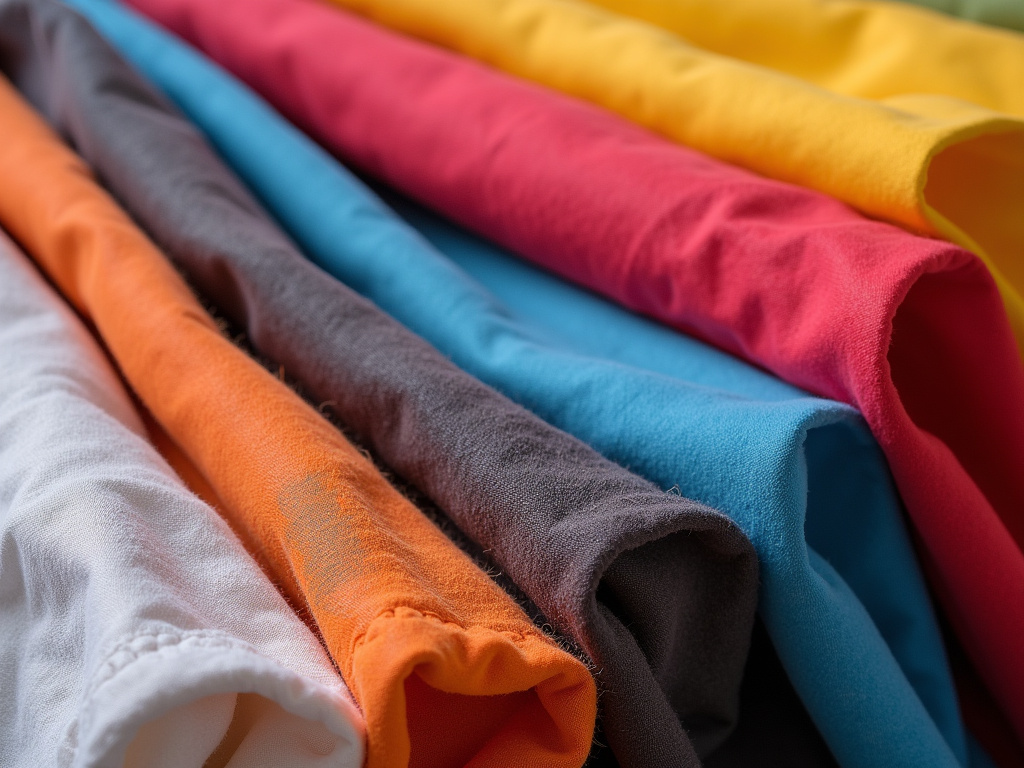
The optimization of Direct-to-Film (DTF) transfers, based on size analysis, offers significant advantages in terms of both efficiency and cost-effectiveness. The service involves tailoring the printing process to the dimensions of the target surface, ensuring best ink distribution, and minimizing waste. This strategy is particularly important in industries where complex designs and diverse product sizes are the norm, such as apparel and packaging.
Case studies from leading print service providers reveal substantial savings and enhanced product quality. A study by the Intellectual Property Office (IPO) documented a 25% reduction in material costs for custom DTF transfers on varying garment sizes. This efficiency gain is attributed primarily to the precise application of ink, which is directly proportional to the surface area. Similarly, logistics companies have reported streamlining their operations by 15% through DTF transfers optimized for package dimensions, leading to faster production cycles and lower handling costs.
The service process involves several key steps. It begins with a thorough assessment of the target substrate’s dimensions and shape. Next, specialized software calculates the required ink quantity and distribution for best coverage. This data is then fed into the printing machinery, which precisely deposits the ink onto the surface. The final step involves curing the ink, a process facilitated by agencies specializing in IP law, to ensure durability and adherence to industry standards. While the initial setup costs for this technology can be high, ranging from $50,000 to $200,000, depending on the equipment and service provider, the long-term benefits, including reduced wastage and improved product quality, make it a viable investment.
Signs indicating the need for DTF transfers optimized for size include inconsistent print quality, significant material waste, and difficulties in scaling designs for various product sizes. Non-profit organizations (NPOs) distributing branded merchandise might face challenges in maintaining consistent branding across different garment sizes without a tailored DTF solution. By understanding these needs and leveraging the expertise of transfer legal services and IP firms, businesses can ensure their DTF transfers are not only cost-effective but also meet the highest quality standards, fostering stronger brand recognition and customer loyalty.
Frequently Asked Questions About The service
What are DTf transfers?
DTf (Direct Transfer) transfers are a quick and efficient method for moving large amounts of data directly between systems, bypassing traditional file transfer methods. They’re particularly useful for data-intensive projects, allowing for faster and more secure data exchange, especially over long distances.
How does the size of a DTf transfer impact efficiency?
The size of a DTf transfer directly affects its efficiency. Smaller transfers are faster and consume fewer network resources, making them ideal for smaller datasets. Conversely, larger transfers, while potentially quicker for massive datasets, can strain network bandwidth and processing power. Optimizing transfer size through efficient data compression and segmenting large datasets can significantly enhance overall transfer speed.
What are the common challenges associated with managing large DTf transfers?
Managing large DTf transfers presents several challenges. These include ensuring data integrity during transmission, implementing solid security protocols to protect sensitive data, and managing the significant network bandwidth and processing power required. Monitoring and troubleshooting potential issues in real-time can be complex.
How can I optimize a DTf transfer for a specific size?
To optimize a DTf transfer, consider the following: segment larger datasets into manageable chunks, employ efficient data compression algorithms, and use cloud-based DTf services for scalable and cost-effective solutions. Utilizing specialized tools for data profiling and optimization can also identify inefficiencies in the data structure, leading to faster transfers.
Are there any industry standards for DTf transfer sizes?
While there aren’t strict industry standards for DTf transfer sizes, best practices emerge from the need for efficiency and security. Common recommendations include keeping transfers below 100MB for best speed and security, with larger transfers carefully managed and optimized to avoid network congestion and potential data corruption.
How do I choose the right DTf service provider for my transfer needs?
Selecting a DTf service provider involves evaluating factors like transfer speed, security protocols, data encryption, and pricing structures. Reputable providers offer scalable solutions, solid security, and transparent pricing models. Reviewing provider success rates and client testimonials can guide your decision-making process.
Can DTf transfers be automated for regular data exchanges?
Absolutely. Automation is a key advantage of DTf transfers. Scheduled and automated transfers can streamline data synchronization between systems, reducing manual intervention and minimizing the risk of human error. This is particularly beneficial for organizations with regular, large-scale data exchange requirements.
As we’ve explored The service, a clear pattern emerges: efficient strategies rely on understanding transfer sizes. By analyzing key metrics like average order size and order frequency, businesses can optimize inventory management and logistical planning. Case studies illustrate significant improvements achieved by focusing on size-based optimizations, with some companies reducing waste by up to 20% and enhancing overall operational efficiency. Moving forward, leveraging size data to inform strategic decisions offers a promising path to maximizing the benefits of DTf transfers in diverse sectors, from manufacturing to apparel. This data-driven approach not only enhances profitability but also contributes to a more sustainable and agile business model, as demonstrated by leading industry examples.
For related local guidance, see our dtf transfers by size resources.