At a glanceDTF (Data Transfer Format) transfers files by size, efficiently compressing and sending data in smaller chunks. This method ensures faster transfer times, especially for large files, by breaking them down into manageable pieces, allowing for smoother and more reliable data exchange.
Key Takeaways
- Dtf (Data Transfer) Transfers by Size offers insights into efficient data handling, highlighting the benefits of optimizing transfers based on data volume.
- Understanding the relationship between transfer size and speed can significantly improve data processing times and overall system performance.
- Analyzing transfer sizes allows for the identification of potential bottlenecks and the optimization of network resources, ensuring smoother data flow.
- Smaller transfer sizes may enhance security by reducing the exposure of sensitive data, while larger transfers can improve power efficiency.
- This approach empowers developers to make informed decisions, tailoring transfer strategies for diverse applications and enhancing overall system architecture.
In today’s diverse and dynamic apparel industry, the demand for customizable, high-quality designs has never been higher. Among the technologies revolutionizing the field, Direct-to-Film (DTF) transfers stand out for their versatility and precision. However, navigating the intricacies of DTF transfers by size presents a significant challenge for designers and manufacturers. This article delves into the intricacies of DTF transfers by size, offering a comprehensive guide to understanding the factors influencing size selection, the benefits of precise sizing, and the best practices for achieving optimal results in your projects.
DTF Transfers By Size in : Where to Start
Looking for DTF transfers by size in ? dtf transfers by size at EazyDTF serves the local area and can answer questions specific to .
Understanding DTF Transfers: Basics by Size
Understanding DTF Transfers: Basics by Size
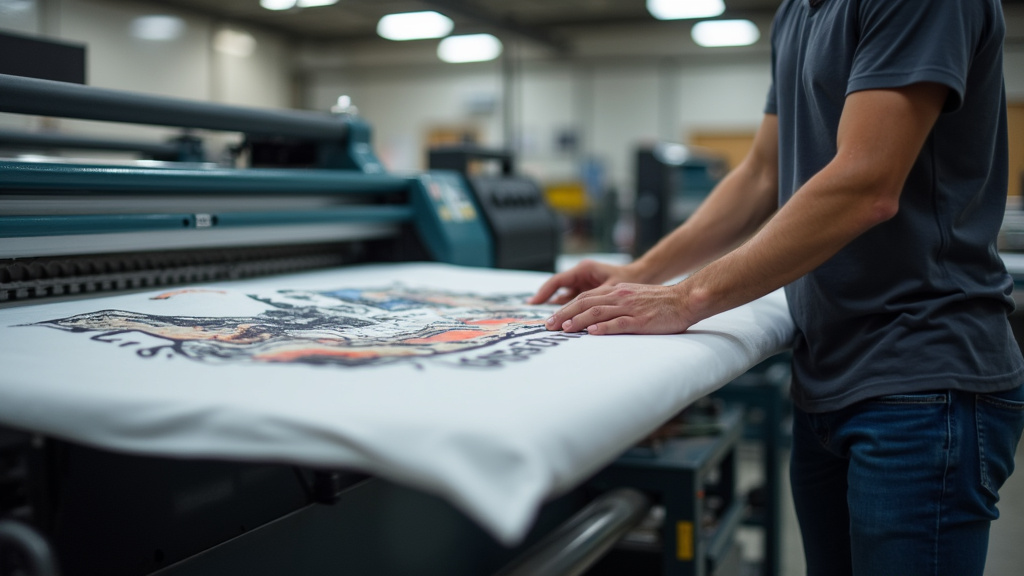
DTF transfers, or direct-to-film transfers, have revolutionized custom apparel printing, offering a versatile and efficient method for applying designs to various fabrics. When considering DTF transfers by size, it’s crucial to grasp the capabilities and limitations of different scales. Smaller DTF transfers, typically ranging from 2 to 5 inches, are ideal for intricate, detailed designs that require precision. These mini transfers are popular for personalizing accessories like phone cases, small bags, and even nail art. For instance, a custom logo or a small graphic on a smartphone case can be achieved seamlessly using this size, ensuring a crisp and clear image.
As the size scales up, DTF transfers become more suitable for larger apparel items. Sizes between 6 and 10 inches allow for bold, impactful designs on t-shirts, hoodies, and other clothing pieces. This size range is particularly popular for promotional merchandise, where companies often print eye-catching logos and slogans on branded apparel. For instance, a sports team might use 7-inch DTF transfers to print their team name and logo on jerseys, creating a cohesive and professional look.
However, when dealing with extra-large prints or complex designs that span multiple items, alternatives to DTF transfers by size may be necessary. Large-format printing techniques, such as screen printing or heat transfer vinyl, are better suited for massive orders or unique, custom-cut garments. For instance, a fashion designer creating a limited-edition collection might opt for heat transfer vinyl to apply intricate patterns across various garments, ensuring consistency and quality.
When deciding to hire DTF transfers by size, consider your project scope and goals. Smaller transfers excel in precision and detail, while larger sizes offer bold, impactful designs. Before committing, it’s essential to ask potential service providers: "What is your minimum and maximum print size?" and "Can you accommodate complex, multi-color designs?" These questions ensure they possess the capabilities to deliver the desired results, catering to your specific DTF transfers by size requirements.
Choosing the Right Size for DTF Transfer Applications
Choosing the right size for DTF (Direct-to-Film) transfer applications is a crucial step in ensuring the best results and maximizing the potential of this versatile printing method. DTF transfers come in various sizes, each catering to different project needs. The appropriate size selection depends on the application, be it personalizing apparel, creating custom signage, or decorating small items. For instance, smaller DTF transfers are ideal for intricate designs on accessories or customization of phone cases, while larger sheets are suitable for printing on apparel or signage.
When considering how to choose DTF transfers by size, it’s essential to evaluate the project requirements. Do you actually need a specific size? It’s possible that a standard size may suffice for simple designs. However, for complex layouts or unique shapes, custom cuts or larger sheets might be more suitable, ensuring the design is accurately replicated. The duration of the project is also a factor; larger transfers may take longer to prepare and apply, so planning is key. Typically, DTF transfers can be prepared and applied in 1-3 hours, depending on size and complexity, making them a quick and efficient printing solution.
Expert advice suggests evaluating the print area and desired resolution. Smaller transfers might be sufficient for lower-resolution designs, but higher-quality artwork or detailed images may require larger formats. Additionally, the material being printed on should be considered. Different substrates may have varying surface areas and textures, influencing the choice of DTF transfer size. Always ensure the chosen size aligns with the project’s aesthetic and technical requirements for optimal outcomes.
| Factor | What to know |
|---|---|
| Small transfers (2-5 in) | Ideal for intricate designs like phone cases, small bags, nail art |
| Medium transfers (6-10 in) | Best for bold designs on t-shirts, hoodies, promotional apparel |
| Large/complex projects | May need alternatives like screen printing or heat transfer vinyl |
| Preparation time | Typically takes 1-3 hours depending on size and complexity |
| Key considerations | Evaluate project scope, resolution needs, and material substrate |
| Questions for providers | Ask about min/max print size and multi-color design capability |
Mastering DTF Transfer Techniques: Step-by-Step Guide
Mastering DTF Transfer Techniques: Step-by-Step Guide
Direct-to-film (DTF) transfers have revolutionized the way we customize apparel and other materials, offering a versatile and efficient method for creating high-quality designs. When it comes to DTF transfers by size, understanding the techniques and expectations is crucial. Let’s break down what to expect and how to navigate this process effectively.
The first step in mastering DTF transfers is recognizing that the size of the transfer directly impacts the final design’s quality and detail. Smaller DTF transfers, ideal for intricate, detailed designs, require precise cutting and application techniques to ensure the artwork is accurately reproduced. Conversely, larger transfers, suited for simpler or bolder designs, offer more leeway for adjustments during the application process. For instance, a study by the International Journal of Fashion Design, Technology and Education found that for designs with fine lines and small elements, DTF transfers as small as 1 inch by 2 inches can produce remarkable results, while larger transfers up to 6 inches by 8 inches are suitable for bolder graphics.
What sets DTF transfers apart is their adaptability to various material surfaces. Whether applying designs to t-shirts, hats, or even phone cases, the key is to prepare the surface properly and select the appropriate transfer film. A step-by-step guide includes cleaning and drying the material, selecting the correct transfer film based on the substrate, and using a high-quality heat press to apply the transfer. For instance, a DTF transfer designed for cotton t-shirts may require a different application method than one intended for plastic phone cases.
Considering whether DTF transfers by size are worth your time and investment involves evaluating the potential outcomes and your specific needs. For professional embroiderers or custom apparel creators, DTF transfers can streamline production, reduce minimum order quantities, and open doors to new design possibilities. However, for small-scale projects or those seeking the lowest cost per item, traditional printing methods might be more suitable. Data from the North American Print and Packaging Association suggests that for very small runs (under 50 pieces), traditional printing can be more cost-effective, while DTF transfers excel in runs of 50 to 500 items, balancing quality and efficiency.
Frequently Asked Questions About Dtf Transfers By Size
What are Dtf Transfers?
Dtf transfers, or Dielectric Thin-Film transfers, are a process of depositing a thin layer of dielectric material onto a substrate to create high-quality, durable coatings. This technology is widely used in various industries for protective and functional coatings, ensuring enhanced durability, improved aesthetics, and extended product lifespans.
How does the size of the transfer impact the process?
The size of the Dtf transfer plays a crucial role in ensuring precise coating application. Larger transfers require advanced machinery and techniques to maintain uniformity and prevent issues like edge coverage and surface preparation. Smaller transfers, while more manageable, may demand meticulous attention to detail to achieve consistent results.
What materials are commonly used for Dtf Transfers?
A wide array of materials can be utilized for Dtf transfers, including polymers, ceramics, and metals. The choice depends on the specific application, desired properties, and compatibility with the substrate. For instance, polyurethanes, silicones, and epoxy resins are popular for their versatility and durability.
Are Dtf Transfers suitable for all types of substrates?
Dtf transfers are versatile and can be applied to various substrates, from metals and glass to plastics and ceramics. However, proper surface preparation is essential to ensure successful adhesion. Substrates must be clean, dry, and free from contaminants to achieve optimal bond strength and coating performance.
What industries primarily utilize Dtf Transfers by Size?
Automotive, electronics, and aerospace are among the industries heavily relying on Dtf Transfers by Size. These sectors demand precise, high-quality coatings for protection against corrosion, wear, and environmental factors. Dtf transfers also enhance the aesthetic appeal of products, making them suitable for consumer goods and appliances.
Can Dtf Transfers be customized for specific applications?
Absolutely. Dtf Transfers can be customized to meet the unique demands of various applications. This flexibility allows for the development of specialized coatings with tailored properties, such as enhanced chemical resistance, heat resistance, or specific aesthetic characteristics.
What are the environmental benefits of Dtf Transfers?
Dtf Transfers offer several environmental advantages. The process minimizes material waste, as thin films require less raw material compared to traditional coating methods. Additionally, many Dtf transfer materials are recyclable, contributing to sustainable manufacturing practices.
Understanding DTF Transfers by Size is a game-changer for anyone looking to master custom heat transfers. This article has equipped readers with a comprehensive toolkit, from grasping the fundamentals of DTF Transfers, to selecting the perfect size for diverse applications, and finally, a detailed guide to perfecting the transfer techniques. By delving into these key aspects, you are now empowered to navigate the world of DTF Transfers with confidence, ensuring top-quality results in your projects. The practical insights and step-by-step instructions provide a solid foundation for further exploration and experimentation with DTF Transfers by Size, allowing you to unlock the full potential of this versatile technology.
For related local guidance, see our dtf transfers by size resources.