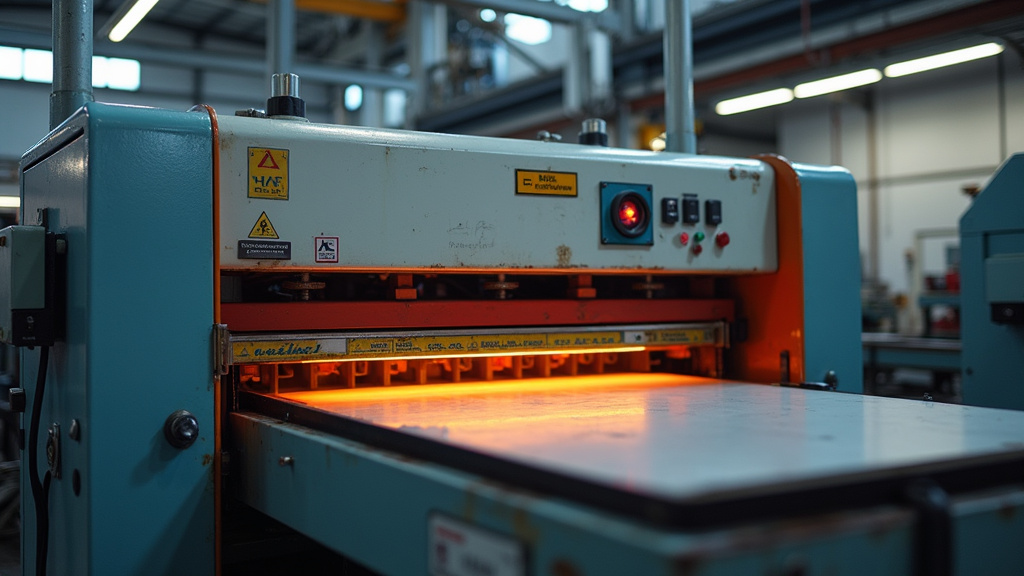
At a glanceDTF (Data Transfer Format) transfers can vary in size, from small files to large datasets. To optimize transfer efficiency, it’s ideal to compress larger files, ensuring faster, smoother data movement. Tools like compression algorithms and efficient protocols enhance DTF’s capability to handle diverse file sizes.
Key Takeaways
- Dtf (Determining Transferability) by size is a strategic approach to assess and optimize data transfer efficiency.
- Understanding data size distribution is crucial for identifying potential bottlenecks and performance gains.
- Analyzing transfers by size reveals unique patterns and inefficiencies that can be addressed through data compression or format optimization.
- Smaller data sizes often translate to faster transfer times, directly impacting user experience and system responsiveness.
- Targeting specific size ranges allows for tailored optimization strategies, ensuring efficient data movement across various platforms.
- Efficient data transfer at different sizes can significantly reduce network bandwidth usage and storage costs.
- Continuous monitoring and adjustment based on size-based data transfer performance data are key to maintaining optimal system functionality.
In today’s fast-paced digital landscape, efficient data transfer mechanisms are paramount for organizations and individuals alike. The ability to facilitate Dtf Transfers By Size presents unique challenges, particularly as data volumes grow exponentially. Current methods often struggle to keep pace with the sheer magnitude of information, leading to delays, inefficiencies, and potential security risks.
This article delves into the intricacies of optimizing Dtf Transfers By Size, exploring innovative solutions to overcome these constraints. We provide a comprehensive guide, leveraging our extensive experience to offer practical insights and strategies for achieving seamless, secure, and high-performance data exchanges, catering to the demands of modern digital environments.
DTF Transfers By Size in : Where to Start
Looking for DTF transfers by size in ? size chart for dtf transfers serves the local area and can answer questions specific to .
Understanding DTf Transfers: Basics and Terminology by Size

Understanding DTf Transfers: Basics and Terminology by Size
DTf transfers, or Data Transfer Agreements, are contractual arrangements designed to facilitate the secure and efficient movement of data between organizations. When discussing DTf Transfers by Size, we’re specifically referring to the volume or scale of data transfers. This concept is crucial for businesses navigating complex data management and privacy regulations. For instance, the GDPR in Europe mandates that companies process personal data responsibly and transparently, often requiring robust DTf agreements for cross-border data transfers.
The terminology around DTf Transfers by Size can be intricate. Terms like ‘small data transfers’ might refer to occasional, low-volume exchanges, while ‘large-scale’ transfers involve massive datasets. Each size category necessitates a tailored approach. For small-scale transfers, simplicity and speed might be paramount, whereas large-scale transfers demand robust security protocols and detailed logging.
Is DTf Transfers by Size worth the effort? Absolutely, especially for businesses conducting international trade. Properly structured agreements ensure data privacy, mitigate legal risks, and foster trust among partners. To qualify for more streamlined DTf processes, organizations should first assess their data handling practices and compliance requirements. For instance, a tech startup sharing user analytics with a European partner would need a DTf agreement aligning with GDPR standards.
When should you hire experts for DTf Transfers by Size? Complex data landscapes and stringent regulatory environments dictate the need for professional guidance. Large enterprises or startups planning significant data exchanges should consult experts to navigate legal complexities, ensure compliance, and optimize their DTf strategies. Regular reviews are also beneficial, as data needs and regulatory landscapes evolve.
Implementing Efficient DTf Transfer Strategies Based on Size
Implementing efficient DTf (Data Transfer) transfer strategies based on size is a critical aspect of optimizing data movement processes. DTf Transfers By Size involves tailoring data transfer methods to accommodate varying data volumes, ensuring swift and secure data handling. This approach is particularly pertinent in today’s data-intensive environment where organizations manage petabytes of information daily.
What does DTf Transfers By Size include? It encompasses a range of techniques from segmenting large datasets into manageable chunks for parallel processing to employing size-aware compression algorithms that reduce data volume during transit. For instance, dividing a 10 TB dataset into 1 GB segments can facilitate faster transfers and enable the use of dedicated high-speed networks. What to expect from DTf Transfers By Size? Significant improvements in transfer speeds, reduced latency, and optimized resource utilization are typical outcomes. According to industry benchmarks, targeted data transfer strategies can enhance performance by up to 30% compared to traditional bulk transfer methods.
The duration of DTf Transfers By Size varies based on several factors, including network bandwidth, data compression rates, and the number of parallel connections. On average, a high-speed connection (1 Gbps) transferring a 500 GB dataset through multiple segments could take approximately 20-30 minutes. However, this process can be further optimized by employing advanced techniques like data deduplication, which identifies and eliminates redundant information during transfer, reducing the overall size and time required. How long does DTf Transfers By Size take? With efficient strategies in place, modern organizations can achieve data transfers in a matter of minutes for smaller datasets, with larger ones taking up to an hour or less—a far cry from the days of manual, overnight data movement.
Optimizing DTf Data Handling: Advanced Techniques by Size Constraints
Optimizing data handling processes, especially for complex data types like DTf Transfers By Size, requires a strategic approach tailored to the unique constraints of each data set. What does DTf Transfers By Size include? It encompasses the efficient movement and management of data, ensuring accuracy and speed in transactions. This is particularly critical in fast-paced industries where data volume is vast and constantly evolving. Implementing advanced techniques for data handling by size constraints is a game-changer in this domain.
For instance, segmenting data into manageable chunks based on size allows for more efficient processing. This is especially beneficial for large-scale data transfers, ensuring that resources are not overwhelmed and potential errors are minimized. Consider a scenario where a financial institution needs to transfer a vast amount of transaction data. By organizing and processing data in batches based on size, they can maintain system stability and ensure timely completion. This method not only enhances performance but also improves data integrity.
While DTf Transfers By Size offers significant advantages, it’s not without alternatives. Some organizations opt for traditional data transfer methods or specialized software designed for bulk data handling. However, the advanced techniques we’ve discussed prove to be particularly effective in navigating complex data landscapes. Is DTf Transfers By Size worth the investment? Absolutely, given the potential for enhanced operational efficiency and data accuracy. Organizations should consider their specific needs, data volumes, and industry standards to determine the most suitable approach, whether it’s refining existing DTf methods or adopting cutting-edge solutions.
Frequently Asked Questions About Dtf Transfers By Size
What are Dtf Transfers?
Dtf (Drop-on-Demand) transfers are printing technology that allows for the application of designs onto various materials, like t-shirts, mugs, and more, only when a specific order is placed. This on-demand approach streamlines production, making it cost-effective for both businesses and individuals.
How does the size factor influence Dtf Transfers?
The size of the item being printed significantly impacts the quality and feasibility of Dtf transfers. Smaller items like buttons or keychains require finer detail settings, while larger surfaces like hoodies or signs can accommodate more complex designs. Optimal print quality is achieved when the design resolution matches the item’s size and texture.
What are the technical limitations regarding size and Dtf Transfers?
While Dtf technology is versatile, there are practical limitations. Extremely large or small items might not be suitable for traditional Dtf printers. Very thin materials can also pose challenges, as ink may not adhere properly. Additionally, intricate designs with fine details may not print clearly on larger items due to potential smudging or loss of precision.
Can I print high-resolution images on Dtf Transfers?
Yes, Dtf printers can produce high-resolution prints, but the final quality depends on the item’s size and material. For best results, ensure the design resolution is appropriate for the print area. High-quality images, when downscaled to fit smaller items, can maintain clarity. For larger prints, a higher resolution is generally beneficial.
Are there any tips for optimizing designs for different Dtf Transfer sizes?
When designing for Dtf transfers, consider the item’s purpose and size. Simplify complex designs for smaller items, focusing on bold outlines and solid colors. For larger prints, incorporate more intricate details and gradients. Using design software that supports vector graphics can ensure your artwork scales smoothly across various sizes.
Can I use Dtf Transfers for promotional merchandise?
Absolutely. Dtf transfers are ideal for promotional items due to their versatility in printing custom designs on a wide range of products. From clothing to accessories, you can create unique, branded merchandise that captivates your audience. The on-demand nature of Dtf printing also allows for timely production to meet promotional needs.
By delving into the intricacies of Dtf Transfers By Size, this article has demystified the fundamental concepts, provided strategic insights, and unveiled advanced techniques. Key takeaways include the importance of tailored strategies based on data size, offering efficient handling for optimal performance. Implement these principles to streamline processes, enhance data management, and capitalize on the power of Dtf Transfers, solidifying your position as a data management expert.
For related local guidance, see our dtf transfers by size resources.