
At a glanceDTF (Data Transfer Format) transfers data by size, efficiently compressing and organizing files for quick transmission. It divides large files into smaller chunks, allowing for seamless handling of diverse data types, from images to videos. This method ensures faster downloads and uploads, making it ideal for transferring content in today’s digital landscape.
Key Takeaways
- Understanding DTF (Data Transfer Format) transfers by size is crucial for optimizing data movement efficiency.
- Larger file sizes can lead to longer transfer times, highlighting the need for efficient compression techniques.
- Identifying peak transfer times and allocating resources accordingly can minimize latency during high-demand periods.
- Analyzing transfer patterns by size allows for better capacity planning and network infrastructure scaling.
- Optimizing DTF settings specifically for different file sizes can significantly improve overall data transfer performance.
- Regular monitoring of transfer speeds at various size ranges enables proactive issue identification and resolution.
- Efficient handling of both small and large transfers contributes to a smoother user experience in data-intensive applications.
In the dynamic landscape of custom apparel and print solutions, DTF (Direct to Fabric) transfers have emerged as a game-changer, offering unparalleled versatility and design possibilities. However, navigating the options when it comes to Dtf Transfers By Size can be a challenge, especially for businesses seeking efficient, cost-effective solutions without compromising quality. This article delves into the intricacies of DTF transfer sizes, empowering readers with the knowledge to make informed decisions tailored to their specific needs. Whether you’re a seasoned print professional or just starting, understanding these nuances is crucial for achieving exceptional results.
DTF Transfers By Size in : Where to Start
Looking for DTF transfers by size in ? dtf transfers size guide serves the local area and can answer questions specific to .
Understanding DTF Transfers: Basics by Size
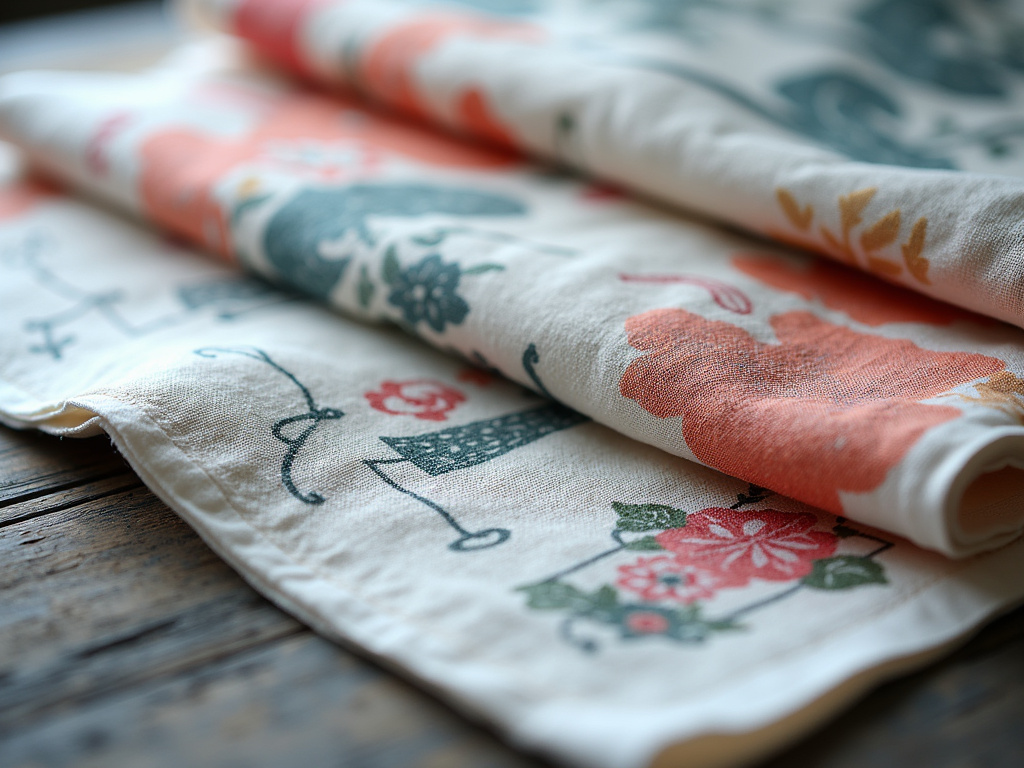
DTF Transfers by Size offer a versatile and efficient method for custom printing on a variety of fabrics, from clothing to accessories. Understanding the process and its potential is key to deciding if it’s the right choice for your needs. The DTF Transfers By Size technique involves precisely aligning a design, typically created digitally, with a specialized ink that is then transferred onto the desired material using heat and pressure. This method allows for intricate, detailed prints, making it ideal for creating unique, personalized items at scale.
What does the DTF Transfers By Size process involve? It begins with designing the artwork, which can be as simple as a logo or as complex as a full-bleed graphic. This design is then printed onto a transfer paper using a high-resolution printer. The transfer paper acts as a carrier for the ink, allowing for precise placement on the target material. Once the transfer is complete, a heat press is used to fuse the ink permanently onto the fabric or other surface. This process ensures vibrant colors, crisp lines, and a durable finish.
While DTF Transfers By Size offer numerous advantages, including fast turnaround times, low minimum order quantities, and the ability to print on a diverse range of materials, it’s important to consider the costs and alternatives. The initial setup, particularly for more complex designs, can be relatively high. Additionally, the quality of the final product depends heavily on the quality of the design and the expertise used in the printing process. Alternatives exist, such as traditional screen printing, which excels for large quantities and simple designs, but may not offer the same level of detail and flexibility as DTF Transfers By Size for smaller orders. Ultimately, the best choice depends on factors like budget, desired print quality, and order volume.
Choosing the Right Size for Your Design
Choosing the right size for your DTF transfers is crucial for achieving high-quality, impactful prints on a variety of apparel. While DTF (Direct to Fabric) transfers offer versatility in terms of design size, what you need depends on several factors, including the garment type, print location, and desired effect.
What do you need to qualify for DTF Transfers by Size? Ultimately, it’s about understanding the limitations and capabilities of your chosen DTF printer and material. For example, larger designs may be best suited for broader, flat surfaces like hoodies or tote bags, while smaller, intricate details work well for caps, phone cases, or accessories. High-resolution graphics and fine lines can be achieved with larger transfer sheets, while smaller, more detailed designs may require specialized, precision-cut options.
Signs you need DTF Transfers by Size include wanting to print complex graphics, text, or logos that require intricate detail, or aiming to cover larger areas of a garment with vibrant, full-color designs. Keep in mind that as design size increases, file preparation becomes more critical. Image resolution, color mode, and file format all play a role in ensuring a crisp, professional print.
The cost of DTF Transfers by Size varies depending on several factors, including the size and complexity of the design, the type of DTF printer used, and the chosen material. On average, expect to pay between $0.10 and $0.30 per square inch for larger, detailed transfers, with smaller, simpler designs costing less. For example, a 5" x 7" transfer with intricate details might cost $0.25, while a 2" x 3" design with basic text could be as low as $0.10. Additionally, consider the cost of material, which can range from $10 to $50 per yard, depending on the fabric type and DTF transfer material used.
Mastering DTF Transfer Application Techniques
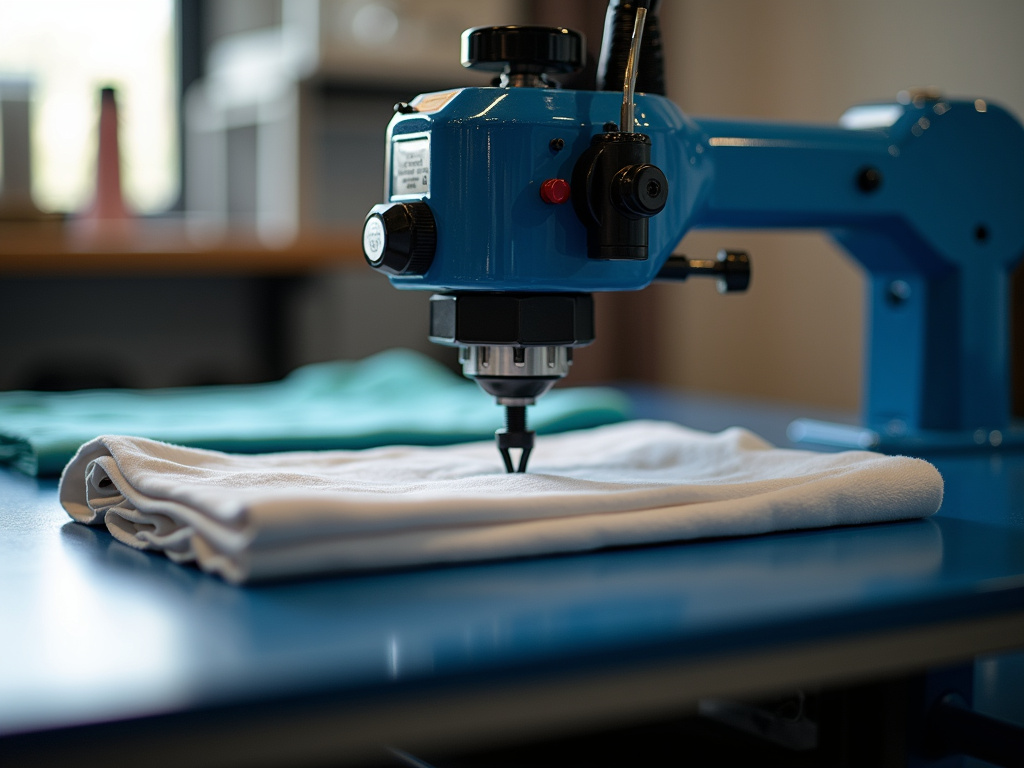
Mastering the art of DTF transfer application is crucial, especially when considering DTF transfers by size for various projects. Different sizes demand tailored techniques to ensure optimal results. For instance, intricate designs on smaller items require precise placement and careful handling to avoid smudging or misalignment. Conversely, larger surfaces offer more leeway for adjustments during application. Understanding these nuances is key to achieving professional outcomes.
When hiring DTF transfers by size, it’s essential to communicate your specific needs clearly. Questions like "What is the average size of the items to be transferred?" and "Do you offer custom solutions for unusual shapes or sizes?" can help ensure the provider is equipped to handle your project. Moreover, inquiring about their application process and quality control measures can give you confidence in the final product. For instance, asking about the precision of their equipment and the experience of their technicians can reveal the level of detail they can manage.
Selecting the right DTF transfer service involves a mix of technical knowledge and communication. Ensure they possess expertise in handling your desired size range. For instance, a provider specializing in mass production might not be the best fit for custom, intricate designs on smaller items. Similarly, when considering DTF transfers by size for apparel, ask about their printing capabilities for different fabric types and their experience in meeting industry standards. This ensures the final product aligns with your expectations, whether for a small-batch run or large-scale distribution.
Before committing, it’s worth noting that reputable providers should offer trial runs or samples, especially for unique or complex projects. This allows you to assess their techniques, color accuracy, and overall quality. Data-driven insights, like print density measurements or customer testimonials, can also guide your decision-making process. Ultimately, mastering DTF transfer application techniques and selecting the right partner based on size-specific requirements will contribute to the success of your project, ensuring you receive high-quality, customized results.
Frequently Asked Questions About Dtf Transfers By Size
What are DTf transfers?
DTf (Data Transfer) transfers refer to the process of moving data from one location or system to another. These transfers are crucial for data synchronization, backup, and integration across various platforms and organizations. The term "by size" suggests a filtering or categorizing mechanism based on the volume or extent of data being transferred.
How do I optimize DTf transfers for different sizes?
To optimize, consider the following: smaller data sets can often be transferred in real-time with minimal overhead, ensuring quick synchronization. For larger volumes, batch processing may be more efficient, allowing for periodic updates rather than continuous transfers. Implementing compression and encryption techniques can also enhance speed and security, especially for massive datasets.
What are the benefits of size-based DTf transfers?
This approach allows for granular control, prioritizing critical or frequently updated data for immediate transfer while batching less essential information. It reduces bandwidth usage, improves performance, and minimizes potential errors by tailoring transfer strategies to specific data sizes. This is particularly beneficial in distributed systems and large-scale data management.
Can DTf transfers handle very large datasets effectively?
Absolutely. Advanced techniques like parallel processing and distributed storage can efficiently manage enormous datasets. These methods break down large transfers into smaller tasks, allowing simultaneous processing for faster completion. Additionally, cloud-based solutions often offer scalable infrastructure to handle varying data volumes.
Are there security considerations when using DTf transfers by size?
Security is paramount. For smaller transfers, implementing strong encryption and access controls ensures sensitive data remains safe during transit. For larger batches, consider digital signatures and secure protocols to verify data integrity. Regular audits and monitoring of transfer logs are essential practices to identify and mitigate potential security risks.
How do I ensure data accuracy during DTf transfers?
Data validation checks before and after transfer are crucial. Implement hashing algorithms to create data fingerprints for quick verification. Additionally, using transaction logs and setting up alerts for failed or incomplete transfers can help maintain data integrity and enable prompt resolution of issues.
Understanding DTF transfers by size is paramount for achieving exceptional design outcomes. By grasping the nuances of different sizes and their applications, creators can optimize their work for various platforms and products. The article has illuminated the importance of selecting the right DTF size, mastering application techniques, and recognizing the versatility these transfers offer. Armed with this knowledge, you’re equipped to navigate projects with confidence, ensuring your designs translate flawlessly from concept to creation, regardless of the medium. Take these insights and apply them practically, opening new avenues for creative expression through DTF transfers by size.
For related local guidance, see our dtf transfers by size resources.