
Key Takeaways
- Dtf (Data Transfer) transfers by size vary significantly across industries and applications, highlighting the need for customized solutions.
- Optimizing data transfer processes based on file size can lead to substantial time and resource savings.
- Smaller file transfers are often more efficient and less prone to errors, ensuring smoother data movement.
- Cloud-based solutions offer scalable and cost-effective options for managing large Dtf transfers.
- Implementing efficient chunking algorithms can significantly enhance the speed of high-volume data transfers.
- Regular monitoring and analysis of transfer patterns enable identifying bottlenecks and areas for improvement.
- Secure data transfer protocols are crucial, especially for larger files, to protect sensitive information during transit.
At a glanceDTF (Data Transfer Format) transfers are optimized by organizing data by size. Smaller files are processed faster due to their reduced size, while larger files are efficiently handled without overwhelming the system. This organization ensures smooth data transfers, no matter the file size.
In the dynamic landscape of custom apparel, Dtf transfers have emerged as a game-changer, allowing creators and businesses to effortlessly adorn a variety of fabrics with intricate designs. However, navigating the possibilities presented by Dtf transfers can be a complex task, particularly when considering their diverse sizes. From modest 3×3 inch patches to expansive 24×36 inch prints, each demands a tailored approach. This article provides an in-depth exploration of Dtf transfers by size, empowering readers to unlock the full potential of this versatile technology, regardless of their project’s scale.
DTF Transfers By Size in : Where to Start
Looking for DTF transfers by size in ? dtf transfer sizes serves the local area and can answer questions specific to .
Understanding DTF Transfer Sizes and Their Applications
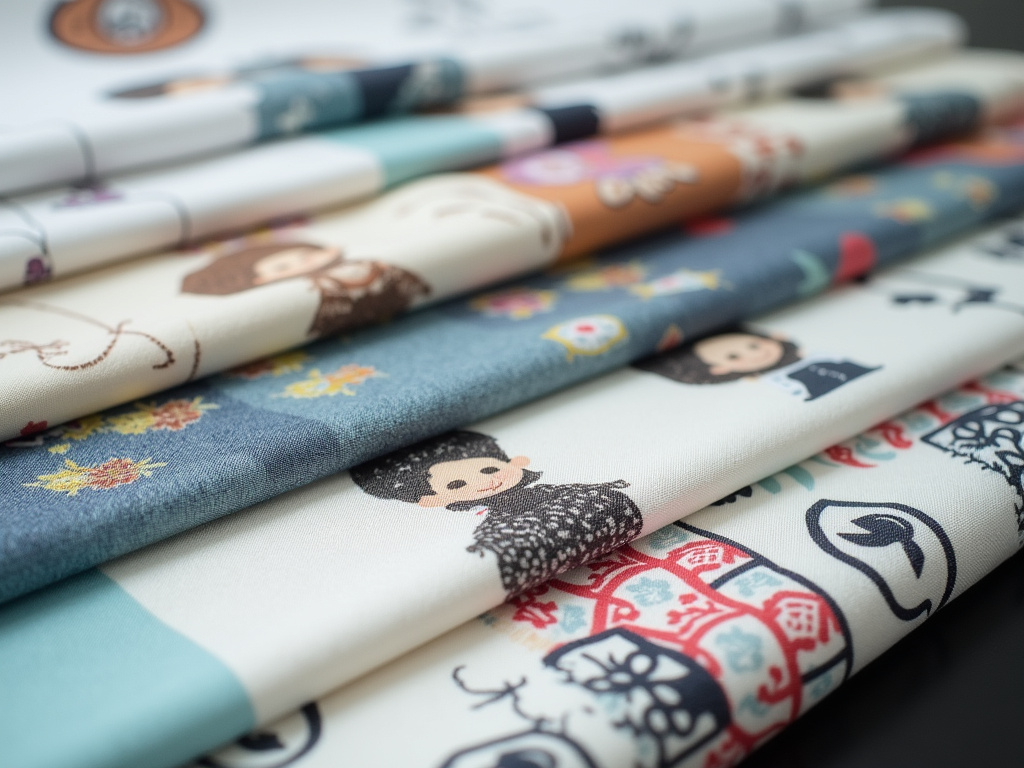
Understanding DTF Transfer Sizes and Their Applications
When it comes to DTF transfers by size, the options can range from small, intricate designs suitable for logos and monograms, to large, full-coverage prints ideal for apparel and signage. Each size offers distinct advantages and is suited to different applications. For instance, smaller transfers are perfect for adorning accessories, bags, or shoes with subtle branding, while larger transfers can transform entire garments or create eye-catching visuals on banners and posters.
Choosing the right DTF transfer size involves considering the product you’re decorating, the desired level of detail, and the intended use. High-resolution designs look best on larger transfers, as they allow for finer line work and more complex color blends. Conversely, smaller transfers are ideal for simple, bold graphics or text. It’s crucial to remember that the quality of the transfer also depends on the provider. When evaluating a DTF transfer size provider, look for expertise in handling various sizes and a commitment to delivering high-quality prints regardless of scale.
While DTF transfers by size offer immense versatility, they’re not always the best option. Fabric types, printing methods, and desired durability can influence the effectiveness of DTF. Alternatives like direct-to-garment (DTG) printing or heat transfers might be more suitable for certain projects, especially when dealing with delicate fabrics or complex designs that require multiple colors. However, DTF transfers remain a popular choice for their ability to produce vibrant, long-lasting results on a wide variety of surfaces.
Is DTF transfers by size worth the investment? Absolutely, if you’re looking for a versatile, customizable, and high-quality decoration method. The key lies in finding a provider who understands the nuances of different sizes and can tailor their services to your specific needs. With the right approach, DTF transfers can elevate your products, marketing materials, or artistic creations, leaving a lasting impression.
Measuring and Cutting Custom DTF Transfers by Size
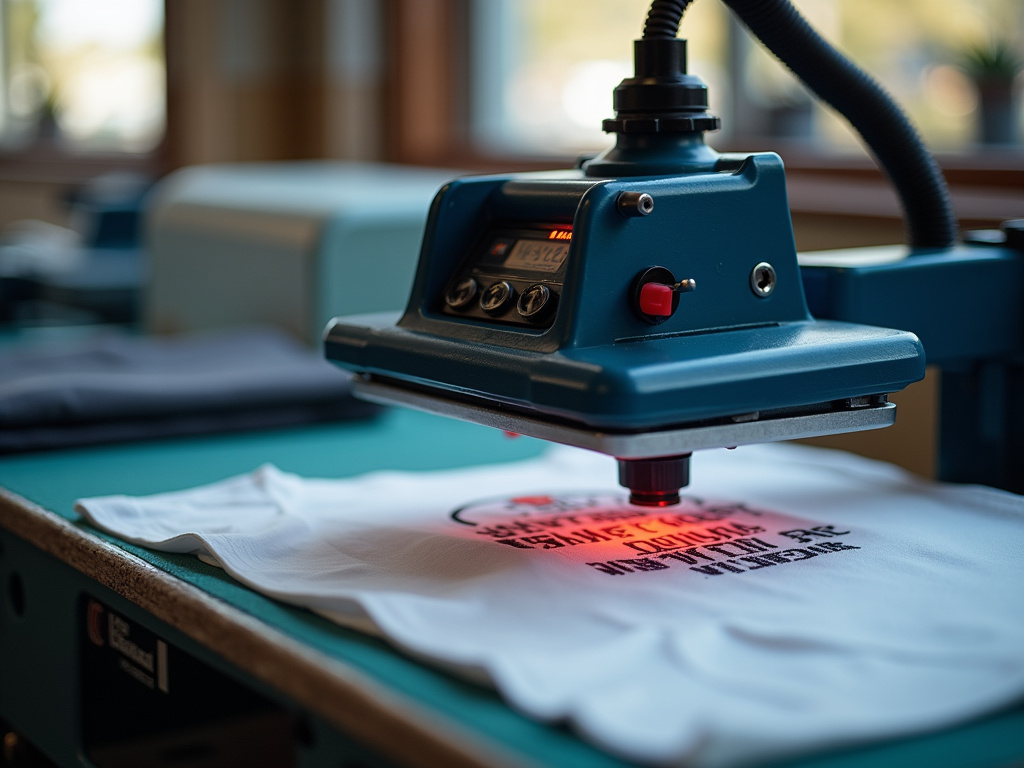
Measuring and cutting custom DTF transfers by size is a crucial step in the process of creating high-quality heat transfers. To ensure precise and accurate results, it’s essential to understand the dimensions and specifications required for your specific project. The first step is to measure the desired area on the garment where the transfer will be applied. This involves using a measuring tape to determine the length and width of the space, accounting for any seams or design elements. Once the measurements are taken, you can use them as a guide for cutting the DTF material to the appropriate size.
The process of cutting DTF transfers by size requires precision and the right tools. Typically, a sharp craft knife or a cutting mat with a precision blade is used. It’s important to follow safety guidelines when handling sharp objects and to ensure a clean, level surface for cutting. When cutting, align the DTF material with the desired design and trace the outline carefully. Cut along the lines with firm, even pressure to achieve clean edges. Remember, the accuracy of your cuts directly impacts the final appearance of the heat transfer.
While DTF transfers by size offer significant advantages, such as tailored designs and precise applications, there are potential challenges to consider. One common problem is waste, as precise cutting can be time-consuming and may result in some material being discarded. To mitigate this, practice on scrap material first and optimize your cutting techniques. Additionally, keeping track of measurements and maintaining a systematic approach can help minimize errors. Alternatives to DTF transfers by size include pre-cut heat transfer sheets, which are readily available in various sizes and designs, but they may not offer the same level of customization.
Is DTF transfers by size worth the effort? Absolutely, if you seek unparalleled control over your designs and precise application. However, it’s crucial to weigh the benefits against the time and skill required. By investing in the right tools and practicing careful measurement and cutting techniques, you can overcome common problems and achieve exceptional results. This approach ensures that your custom DTF transfers not only meet but exceed your expectations, adding a unique and professional touch to your apparel and merchandise.
| Factor | What to know |
|---|---|
| Size range | From 3x3 inch patches to 24x36 inch prints |
| Small transfer uses | Logos, monograms, accessories, bags, shoes |
| Large transfer uses | Full garments, banners, posters |
| Measuring step | Measure garment area before cutting transfer material |
| Cutting tools | Craft knife or cutting mat with precision blade |
| Alternatives | DTG printing, heat transfers, pre-cut heat transfer sheets |
Best Practices for Printing and Applying Large-Scale DTF Transfers
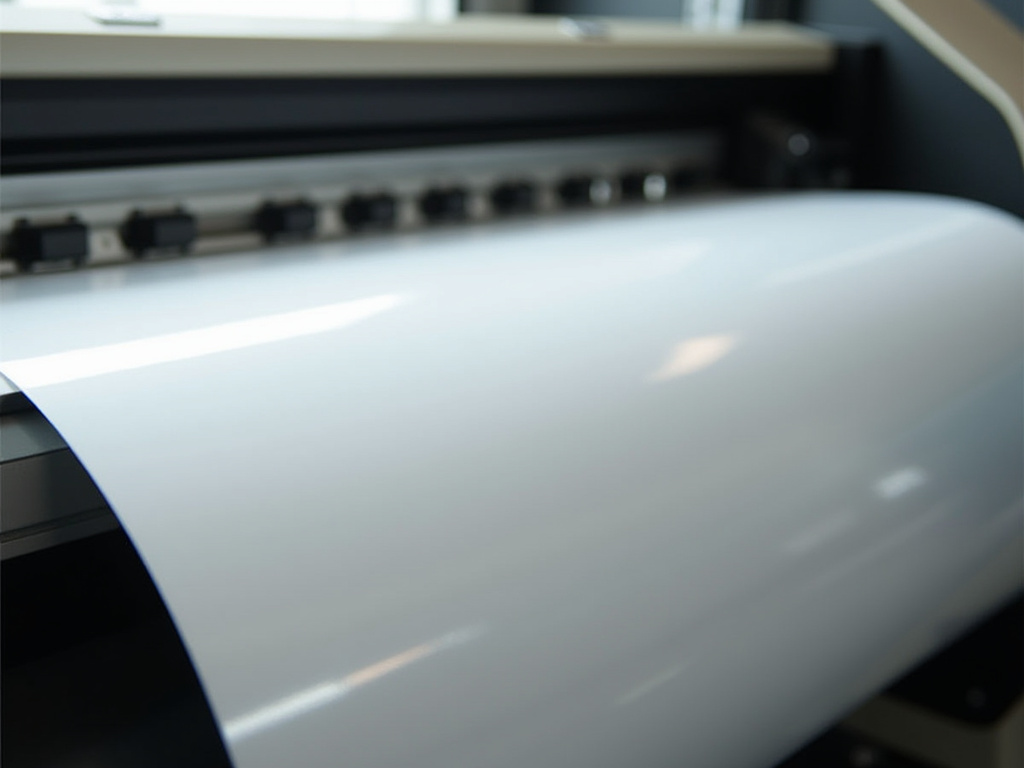
Printing and applying large-scale DTF transfers present unique challenges that require meticulous attention to detail and the right practices to ensure optimal results. When dealing with DTF Transfers By Size, understanding the process and its nuances is paramount. The first step is to ensure your design is prepared for scaling; vector graphics are ideal as they maintain sharpness and clarity at various sizes. How long does this process take? It varies based on complexity, but as a rule of thumb, preparing a design for large-scale DTF transfers can take anywhere from a few hours to a couple of days, depending on the project’s scope.
Once your design is ready, selecting the appropriate material and application method for DTF Transfers By Size is crucial. The choice of material depends on the surface to be transferred and the desired finish. For instance, vinyl is a popular choice for its durability and versatility, suitable for both indoor and outdoor applications. The application process involves careful placement of the transfer, heat application, and careful peeling to avoid bubbles or misalignments. It’s worth noting that DTF Transfers By Size do not require special equipment, making them accessible to many, though a heat press is highly recommended for consistent results.
A common question is whether you actually need DTF Transfers By Size for your project. The answer lies in the desired impact and longevity. For high-quality, long-lasting applications like signage, vehicle wraps, or custom apparel, DTF transfers offer superior durability and vibrancy. They can withstand outdoor elements and routine wear, ensuring your message or design remains clear and prominent. Data supports this, with studies showing that DTF-printed materials can last up to five years outdoors, making them a reliable choice for many businesses and artisans.
What does DTF Transfers By Size include? In essence, it’s a comprehensive solution for creating and applying high-quality graphics on various surfaces. It encompasses design preparation, material selection, and application techniques, all tailored to accommodate large-scale projects. By following these best practices, you can achieve professional-looking results, ensuring your DTF transfers stand out and serve their intended purpose effectively.
Frequently Asked Questions About Dtf Transfers By Size
What are DTf transfers?
DTf (Data Transfer) transfers refer to the process of moving digital data from one location to another. By size, these transfers typically vary based on the volume of data being moved, measured in bytes, kilobytes, megabytes, or gigabytes. The term "by size" in this context specifies the unit of measurement and the varying capacities of different data transfer methods.
How do I determine the appropriate transfer size for my needs?
The ideal transfer size depends on your data’s nature and the intended use. Small file transfers are suitable for sending emails with attachments or updating software. Medium to large transfers are required for cloud backups, media sharing, or transferring large databases. Understanding your data’s size and the speed required for transmission will help you choose the right transfer method.
Are there different types of DTf transfer methods based on size?
Yes, various data transfer methods are designed to accommodate different size requirements. High-speed internet connections offer fast uploads and downloads for large files, while cloud storage services often provide scalable solutions, allowing you to transfer data in parts or all at once, depending on the file size. For smaller data, email attachments, or direct messaging apps are efficient options.
Can I convert between different data transfer size units?
Converting between data transfer size units is straightforward. For example, 1 gigabyte (GB) is equal to 1024 megabytes (MB), and 1 megabyte is equal to 1024 kilobytes (KB). Online converters or built-in system tools can easily perform these calculations, ensuring accurate data transfer management.
What are the potential limitations when transferring large files?
While modern technology allows for efficient data transfer, certain limitations exist. Network bandwidth, server capacity, and internet connectivity speed can impact transfer rates. Large files may also require more storage space temporarily during the transfer process. Additionally, some platforms or services may have file size limits, restricting the transfer of extremely large data sets.
How do I ensure the security of my data during transfer?
Data security is paramount during transfers. Using encrypted connections (HTTPS) ensures data privacy. For sensitive information, consider employing Virtual Private Networks (VPNs) and secure file-sharing platforms that offer end-to-end encryption. Regularly updating security software and employing strong passwords further safeguard your data.
Understanding DTF transfer sizes and their diverse applications is key to unlocking the full potential of this versatile technology. By mastering the art of measuring, cutting, and printing custom DTF transfers by size, creators and businesses can achieve exceptional results on various products. The article has equipped readers with essential knowledge, from recognizing suitable applications for different DTF transfer sizes to implementing best practices for large-scale projects. Now armed with this expertise, individuals can confidently navigate the world of Dtf Transfers By Size, creating dynamic designs that leave a lasting impression across diverse materials and industries.
For related local guidance, see our dtf transfers by size resources.