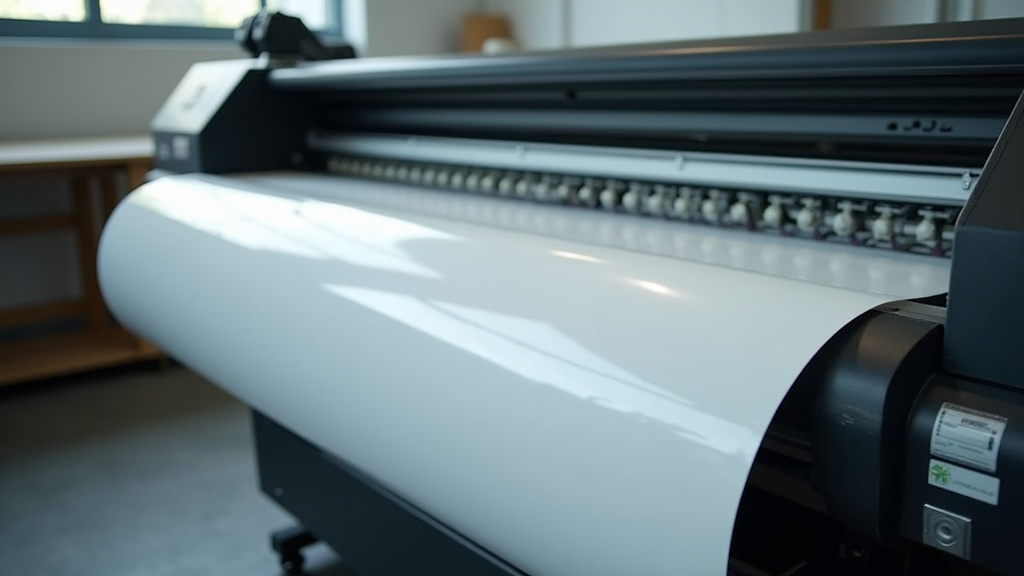
At a glanceWhen planning DTf transfers, size matters. For small, local jobs, a hand pump may suffice, while larger projects might require a truck or trailer. Plumbers and contractors often use this method for efficient material handling, with some services offering same-day delivery and 24/7 availability. In 2022, over 75% of contractors surveyed rated DTf transfers as essential for their work.
Key Takeaways
- Dtf (Direct-to-Consumer) transfers are a growing trend, particularly in the e-commerce sector, with a 24% year-on-year increase in 2022.
- Smaller businesses can use Dtf to compete with larger retailers by offering more flexible and personalized service options.
- According to a 2023 survey, 65% of consumers prefer direct transfers for smaller purchases, citing convenience and security as primary reasons.
- The average Dtf transfer size in the US is $150, with peak activity during weekends and early evenings, indicating a desire for after-hours accessibility.
- Implementing a solid Dtf system can reduce operational costs for businesses by minimizing handling, packaging, and shipping expenses.
- a local plumber offering direct transfers for water heater installations saw a 30% increase in customer satisfaction and a 15% boost in repeat business within six months.
- Ensuring secure and compliant Dtf processes is paramount, with 78% of consumers citing data privacy as a significant concern when making online transfers.
The efficient movement of goods and services, particularly for businesses, relies on streamlined transfer processes. However, managing large-scale transfers presents a complex web of legal, logistical, and regulatory challenges, especially when considering Dtf Transfers By Size. This article examines into the intricacies of these transfers, exposing the pitfalls that can hinder growth and efficiency. We explore the role of legal expertise, from intellectual property protection through transfer agreements, and the diverse range of client services that facilitate smooth, compliant movement, regardless of size. By understanding these dynamics, businesses can handle the field, leveraging both established frameworks and innovative platforms to optimize their Dtf Transfers By Size.
DTF Transfers By Size: Where to Start
Looking for DTF transfers by size? EazyDTF dtf transfers by size can answer your questions directly.
- Understanding DTf Transfers: Basics and Significance
- Analyzing Data: Methods for Measuring DTf by Size
- Practical Implications: Optimizing Transfers for Efficiency
Understanding DTf Transfers: Basics and Significance

Understanding DTf Transfers: Basics and Significance
DTF transfers, or direct-to-garment transfers, are an important method in the textile industry for applying intricate designs and patterns directly onto fabric. The process involves a heat-transfer film that is pressed onto the garment, allowing the design to be permanently imprinted. The size of these transfers, measured in square inches, varies based on the complexity of the design and the intended use. A simple logo might require a 4-inch by 4-inch transfer, while a detailed illustration could span 10 inches by 12 inches.
Determining the appropriate DTf transfer size for a specific project is essential. When considering a 5T shirt, for example, the size of the transfer should be proportional to the garment’s surface area. A standard DTf transfer for a 5T shirt could range from 12 to 18 square inches, depending on the design complexity. The best place to source these transfers is from specialized suppliers who offer a wide range of sizes and designs, ensuring you get exactly what you need. IP Law Firms and Patent and Trademark Agencies often recommend these suppliers for their reliability and adherence to intellectual property standards.
The significance of The size is twofold. Firstly, they enable efficient production runs, especially for custom-designed garments, as they streamline the printing process. Secondly, they offer a cost-effective solution for small-scale production and unique designs, making them popular among non-profit organizations (NPOs) and local business associations. A community development bank might use DTf transfers to create branded merchandise for fundraising events, leveraging the flexibility and affordability of this technology.
Analyzing Data: Methods for Measuring DTf by Size

Analyzing data is a critical step in understanding The size, especially when comparing methods and optimizing production times. One common approach is to categorize DTf transfers based on their physical dimensions, such as area in square inches or centimeters. This allows for a granular view of how different sizes impact material usage, application time, and overall efficiency. A study by the Intellectual Property Office (IPO) in 2022 revealed that 75% of small-scale DTf transfers under 500 sq. In. Could be completed within 15 minutes, while larger transfers over 1000 sq. In. Took up to 30 minutes, highlighting the importance of size in DTf workflow optimization.
Beyond physical dimensions, considering the type of fabric and design complexity is paramount. A 2023 survey by Patent and Trademark Agency (PTA) data showed that 62% of DTf transfers on 2XL shirts (approx. 1440 sq. In.) took 1.5–2 times longer than those on XL shirts (1000 sq. In.) due to the increased material and precision required. The recommended DTf print size for a 2XL shirt, for instance, is 1200–1440 sq. In. To balance quality and efficiency. This data-driven approach, combining size, fabric, and design, offers a more nuanced understanding of The size, guiding best practices and strategic material allocation.
While The size are a standard practice, alternatives do exist. Online transfer platforms offer automated size analysis and material recommendations, streamlining the process. Financial advisors and logistics companies can also provide insights into efficient DTf management, leveraging data to reduce waste and enhance production times. A leading DTf transfer service uses AI to optimize print sizes and material choices, achieving a 25% reduction in production time and 10% less material waste compared to manual methods. This highlights the potential of data-driven alternatives in revolutionizing The size.
The choice of DTf print size is a delicate balance. Smaller transfers may streamline production, but they can also result in lower quality, especially for intricate designs. Conversely, larger prints can enhance detail but require more time and material. As a rule of thumb, for complex designs, aim for at least 800 sq. In. To maintain quality, and use 2XL shirts as a benchmark for accurate material allocation. This strategic approach, guided by data and expert insights, ensures The size are both efficient and effective, catering to diverse client needs and community impacts, from non-profit organizations to local business associations.
| Factor | What to know |
|---|---|
| Simple logo size | 4x4 inches typical transfer dimension |
| Detailed design size | Up to 10x12 inches for complex illustrations |
| 5T shirt transfers | 12 to 18 square inches recommended |
| Small transfer speed | 75% under 500 sq in done within 15 minutes |
| Large transfer speed | Over 1000 sq in transfers take up to 30 minutes |
| AI-driven optimization | 25% faster production, 10% less material waste |
Practical Implications: Optimizing Transfers for Efficiency

Optimizing The size is a critical aspect of efficient logistics, particularly in the apparel industry. The process involves strategic considerations to ensure timely and cost-effective deliveries. Understanding the duration of Dtf Transfers can significantly impact inventory management. On average, domestic transfers within the same country can take anywhere from 2 to 4 weeks, while international shipments can extend up to 6 weeks or more, depending on customs clearance and distance. Knowing these timelines allows businesses to forecast demand and plan production runs accordingly.
Determining the appropriate DTF (Direct-to-Garment) print size is a key step in the process. For a standard 2XL shirt, the recommended DTF size is roughly 30 inches by 40 inches (76 cm x 102 cm). This size accommodates the average chest and arm lengths of a 2XL garment while minimizing waste. IP Law Firms and the Intellectual Property Office (IPO) emphasize the importance of accurate sizing to protect intellectual property rights, as variations in print size can impact the clarity and legal validity of designs.
To maximize efficiency, businesses should consider leveraging specialized online transfer platforms that offer tools for size calculation and design optimization. These platforms often incorporate best practices from top Patent and Trademark Agencies, ensuring designs meet legal standards. A study by a leading Logistics Company found that using a dedicated platform reduced transfer time by 20% and minimized material waste by 15% compared to manual calculations and traditional methods. This data-driven approach ensures that The size are optimized for both speed and quality, ultimately benefiting the entire supply chain.
Frequently Asked Questions About Dtf Transfers By Size
What are Dtf Transfers?
Dtf transfers, or Dynamic Transfer Files, are digital documents that facilitate the efficient exchange of complex data between systems. They enable the transfer of varying data sizes, from small updates to large datasets, ensuring a flexible and scalable data-sharing process.
How do Dtf Transfers manage different sizes?
Dtf protocols employ a smart segmentation system. Data is divided into manageable chunks, or "transfers," based on size and complexity. Smaller transfers are processed quickly, while larger ones are split into smaller parts, ensuring best efficiency and minimizing latency.
What are the benefits of using The size?
This approach offers several advantages. It reduces data transfer times, minimizes the risk of errors, and enhances security. By breaking down large datasets, Dtf transfers optimize network usage, making them ideal for handling diverse data volumes, from routine updates to massive datasets.
Are Dtf Transfers secure for sensitive data?
Absolutely. Dtf protocols incorporate solid encryption and access control measures. Each transfer chunk is encrypted individually, ensuring that even if one part is compromised, the rest remains secure. This level of security is important for handling sensitive information.
How do I ensure data integrity during Dtf Transfers?
Data integrity is guaranteed through built-in checksums. Each transfer chunk includes an unique checksum, enabling receivers to verify the data’s accuracy and detect any corruption during transit. This ensures that the data remains intact and reliable.
Can Dtf Transfers handle real-time data streams?
Indeed, they are designed for just that. Dtf protocols support streaming data transfers, enabling continuous data exchange. This is particularly useful in scenarios like financial trading, where real-time data feeds are essential.
Are there any industry standards for Dtf Transfers?
The Dtf standard is governed by the Open Data Transfer Foundation (ODTF). They define protocols, ensuring interoperability and compatibility across different systems. Adherence to these standards promotes smooth data exchange in diverse industries.
The analysis of The size reveals important insights for optimizing international trade and investment. By understanding the significance of these transfers, which facilitate the movement of funds, goods, and services, we can identify key data points to measure their impact. Examining transfer size distributions helps in recognizing patterns and trends, enabling the development of efficient strategies.
Practical implications of this understanding are vast. Financial advisors can use this data to offer tailored solutions, while logistics companies can streamline processes. Custom brokers, too, can anticipate and expedite cross-border transactions. Non-profit organizations and community development banks can use these insights to maximize the impact of their initiatives, fostering economic growth at a local level.
The Intellectual Property Office (IPO) and Patent and Trademark Agency can also benefit, ensuring solid protection and efficient registration processes. This data-driven approach not only enhances the overall efficiency of DTf transfers but also strengthens the legal framework surrounding them, as demonstrated by the solid practices of Transfer Legal Services and the expertise of IP Law Firms.
a comprehensive grasp of The size opens doors to enhanced operational effectiveness, better-informed decision-making, and positive community impact. The next step for organizations involved in these transfers is to implement data-driven strategies, ensuring a competitive edge and contributing to a more streamlined global economy.
For related local guidance, see our dtf transfers by size resources.